28 Jul 2026
Cash Flow Sequence Patterns in Linked Deposit Platforms Timing APR Switches Among Revolving Credit and Fixed-Term Borrowing Options
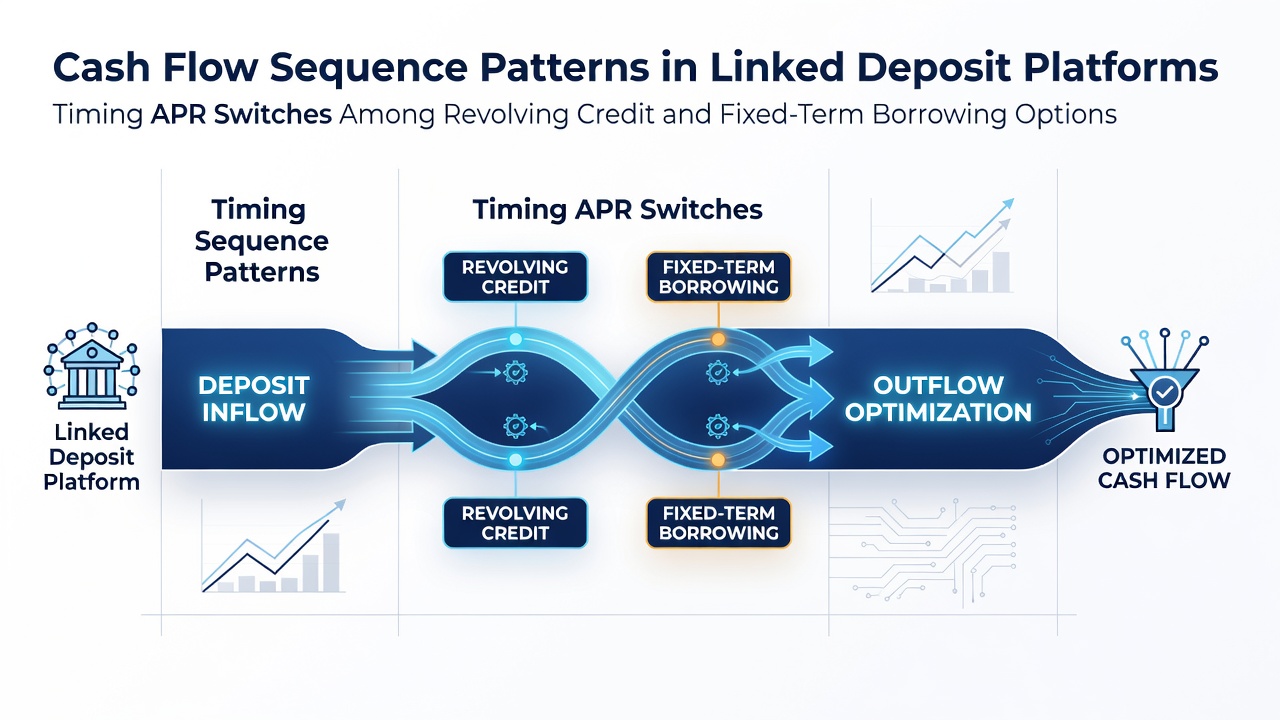
Linked deposit platforms now connect checking accounts directly to multiple borrowing products and this integration lets users track cash inflows alongside outstanding balances in real time. Financial institutions report that these connections help identify moments when rates on revolving credit such as credit cards diverge from those on fixed-term loans including personal loans or auto financing. Data from major banks shows that account holders often move funds between products when APR spreads widen beyond certain thresholds.
Observers note that sequence patterns emerge when deposit activity aligns with scheduled rate resets or promotional periods ending. For instance one common pathway starts with revolving balances that accumulate during high-spending months and then shifts into fixed-term structures once deposit inflows stabilize. Researchers at institutions tracking consumer behavior found that such moves frequently occur after quarterly statements arrive and users review cumulative interest charges across accounts.
Platform Integration and Real-Time Monitoring
Modern banking applications aggregate transaction logs from deposit accounts and credit facilities into single dashboards. These tools calculate projected interest costs under different repayment sequences and display them alongside current APR figures. According to Federal Reserve data releases through mid-2026 average credit card APRs hovered near 21 percent while many fixed-term personal loans carried rates between 8 and 12 percent depending on credit profiles.
Users who link multiple accounts receive alerts when deposit patterns suggest an upcoming surplus that could cover part of a revolving balance. The same systems compare that option against refinancing into a fixed-term product with a lower locked rate. Studies from the Bank of Canada indicate that households utilizing these alerts completed APR switches an average of 12 days earlier than those managing accounts separately.
Timing Mechanisms in Cash Flow Sequences
Patterns appear most clearly when recurring deposits such as payroll credits hit accounts on predictable schedules. Platforms analyze these rhythms to forecast available liquidity and recommend whether to pay down revolving debt immediately or route funds toward a new fixed-term arrangement. In July 2026 several large lenders adjusted their internal models after observing that users who waited for mid-month salary deposits achieved lower effective interest rates on switches.
Another sequence involves using temporary overdraft buffers in linked deposits to bridge gaps during the approval process for fixed-term loans. Once the new loan funds arrive the platform automatically clears the revolving balance and closes the higher-rate facility. Transaction records from integrated systems reveal that this approach reduced total interest paid by measurable margins in cases where approval timelines stretched beyond 10 business days.
Observed Patterns Across User Segments
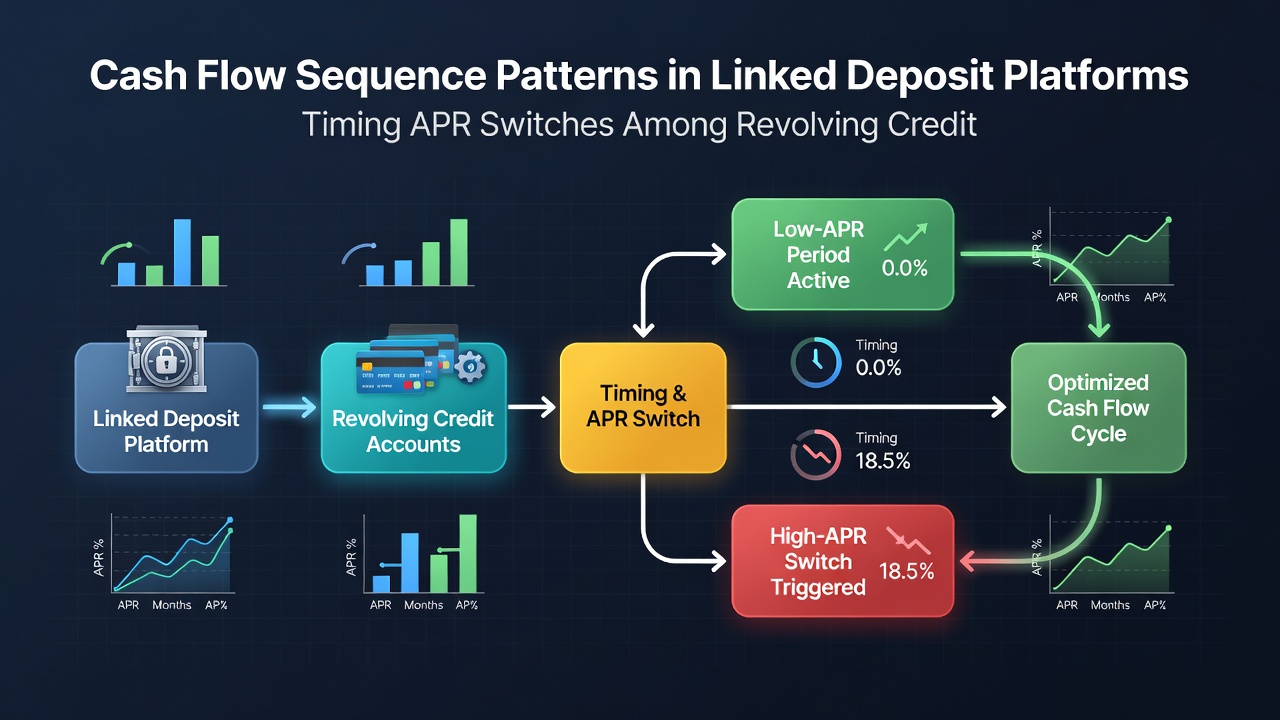
Analysis of anonymized data sets shows distinct clusters of behavior. Younger borrowers with variable income streams tend to favor short fixed-term loans after clearing revolving balances while older households with steady deposits more often extend repayment terms to lock in current rates. European Central Bank reports from the same period documented similar segmentation across euro-area countries where deposit-linked platforms operate.
One recurring pattern involves seasonal deposit spikes from tax refunds or bonuses. Platforms flag these events weeks in advance and simulate outcomes of applying the lump sum to revolving credit versus opening a new fixed-term product. Those simulations rely on live APR feeds that update whenever lenders revise pricing which occurred multiple times in the first half of 2026.
Regulatory Context and Data Availability
Regulators in several jurisdictions now require clearer disclosure of how linked platforms calculate sequence recommendations. The Australian Securities and Investments Commission published guidelines in early 2026 emphasizing that users must retain final decision authority over any suggested APR switch. These rules also mandate that platforms retain records of the cash flow data used to generate each recommendation for audit purposes.
Industry groups tracking platform adoption report steady growth in the number of accounts connected to at least three borrowing products simultaneously. This connectivity expands the range of possible sequences and increases the frequency of observed APR switches. Figures released by the Consumer Financial Protection Bureau confirm that complaint volumes related to timing disputes remained low relative to overall transaction volumes through July 2026.
Conclusion
Linked deposit platforms continue to shape how users sequence cash flows and time APR switches between revolving credit and fixed-term options. The patterns documented in transaction logs reflect both individual deposit rhythms and broader rate environments. As integration deepens the ability to monitor and act on these sequences expands across more households and product combinations.